
The Global Sourcing Seminar Series takes place across the three days of the event.
Fast, high impact inspiration. These one hour, TED style sessions located on the Expo Floor, offer quick, digestible insights from industry specialists. Ideal for attendees who want to stay inspired while exploring the Expo, the seminars provide trend updates, practical tips, and fresh ideas you can apply immediately. Each session is one hour in duration and tickets cost $40 +gst per session.
Sydney 2026 Program
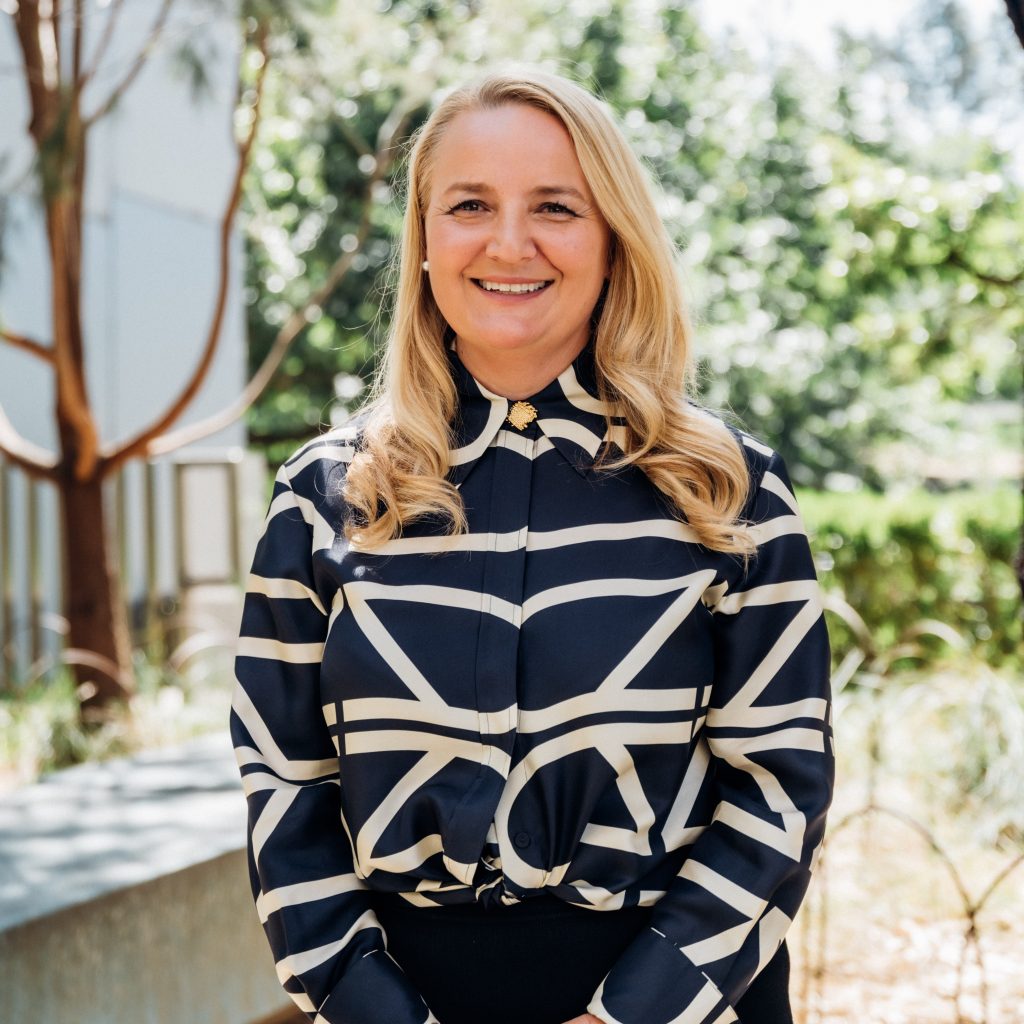
Marianne Perkovic, Executive Chair
Australian Fashion Council (AFC)
Making the Future: Australia’s Fashion Industry in a Changing Global Supply Chain
Session Overview
Making the Future: Australia’s Fashion Industry in a Changing Global Supply Chain
10:00 – 11:00am
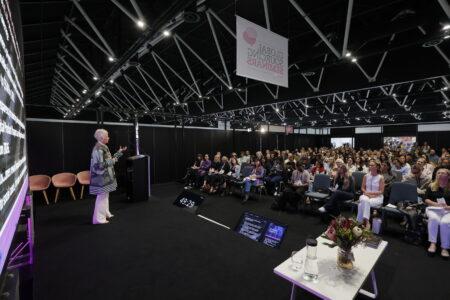
Australia’s fashion industry is at an inflection point. As global sourcing networks evolve and local manufacturing ambitions grow, the choices made now about where we source, how we build, and who we partner with will define the next decade of Australian fashion. AFC Executive Chair Marianne Perkovic opens the 2026 Global Sourcing Expo with a view from the front: the state of Australian fashion, the government’s National Manufacturing Strategy and what it means for the industry, and why Australia’s relationship with its global supply partners has never been more strategically important.

Jude Kingston, Founder/Director
Mind your Fashion
Sourcing, Selling, Sustainability & Scaling – Empowering Fashion Entrepreneurs
Session Overview
Sourcing, Selling, Sustainability & Scaling – Empowering Fashion Entrepreneurs
11:30am – 12:30pm
Join us for an in-depth seminar tailored for fashion industry professionals and designers seeking to strengthen their business foundations and drive long-term success. This comprehensive session explores the four essential pillars of modern fashion entrepreneurship: sourcing, selling, sustainability, and scaling. We’ll unpack sustainable practices that are both environmentally responsible and commercially viable, and guide participants on how to scale operations, expand into new markets, and build brand equity. Key Takeaways:
- Smart sourcing strategies for quality and sustainability
- Sales approaches for digital, wholesale, and direct-to-consumer models
- Building a brand with ethical and environmental impact
- Scaling through systems, partnerships, and market expansion
- Real-world case studies and practical frameworks
This is a must-attend for fashion designers, startups, and retailers ready to evolve with purpose and profitability.

Courtney Holm, Founder
Circular Sourcing
Digital Transformation: How Material Digital Twins and Value-Chain Visibility Accelerate the Circular Textile Economy
Session overview
Digital Transformation: How Material Digital Twins and Value-Chain Visibility Accelerate the Circular Textile Economy
1:30 – 2:30pm
Digitising materials is emerging as one of the most powerful enablers of the circular textile economy. This session explores how material digital twins, shared data standards and end-to-end value-chain visibility can shift the industry from fragmented sustainability claims to reliable, machine-readable material intelligence.
We’ll unpack how structured digital material data is already transforming sourcing and circularity—enabling faster verification, smarter buying decisions, improved surplus reuse, and new commercial pathways for circular materials at scale. With a focus on practical, real-world applications, this session highlights the systems, tools and collaborations that are reshaping how materials are tracked, validated and reused across global supply chains.
You’ll leave with a clear understanding of how digitalisation can accelerate your organisation’s progress toward traceability and circularity—while unlocking efficiencies and value along the way.
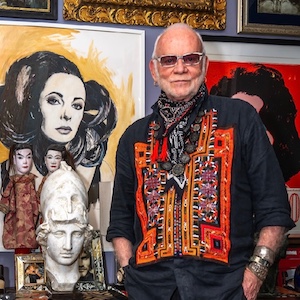
Nicholas Huxley, Designer
Fashion Education Consultant
Schooled: A Fashion Teacher’s Perspective
Session overview
Schooled: A Fashion Teacher’s Perspective
3:00 – 4:00pm
With four decades at the forefront of fashion education, Nicholas Huxley has played a critical role in shaping Australia’s design talent pipeline and influencing industry practice. An award-winning designer and illustrator, and a 2019 inductee into the Design Institute of Australia Hall of Fame, his former students include Nicky Zimmermann, Dion Lee, Akira Isogawa and Alex Perry.
Having worked extensively with fashion institutions, manufacturers, and artisan communities across Europe, the US, Asia, Africa and the Pacific, Huxley brings a unique perspective on how education intersects with industry needs worldwide.
In this Q&A session, he will discuss the importance of fashion education and how it differs around the world, how students can best harness the skills they learn at school, the imperatives of gaining practical work experience while studying and developing your own design handwriting, and how best to navigate the ever-evolving demands of the fashion industry.

Alex Schuman, CEO
Carla Zampatti Fashion
Carla Zampatti: The Making of an Australian Fashion Icon
Session Overview
Carla Zampatti: The Making of an Australian Fashion Icon
10:00 – 11:00am
Carla Zampatti is one of Australia’s most enduring fashion houses, known for its distinctive tailoring, sophisticated silhouettes and decades-long connection with Australian women business leaders, politicians, and media figures. Founded in 1965 by Italian-born designer Carla Zampatti, the brand has grown into an influential force in Australian fashion and a benchmark for quality and modern elegance.
Today, chief executive officer Alexander Schuman is guiding the company into its next chapter. In this session, he will explore the brand’s evolution over six decades, the foundations of its remarkable longevity, and the strategic decisions shaping its future. Schuman will discuss the opportunities and challenges of second-generation leadership, the company’s commitment to Australian manufacturing, and its ongoing focus on sustainability and ethical business practices. He will also share insights into maintaining brand relevance in a global, rapidly changing fashion landscape.
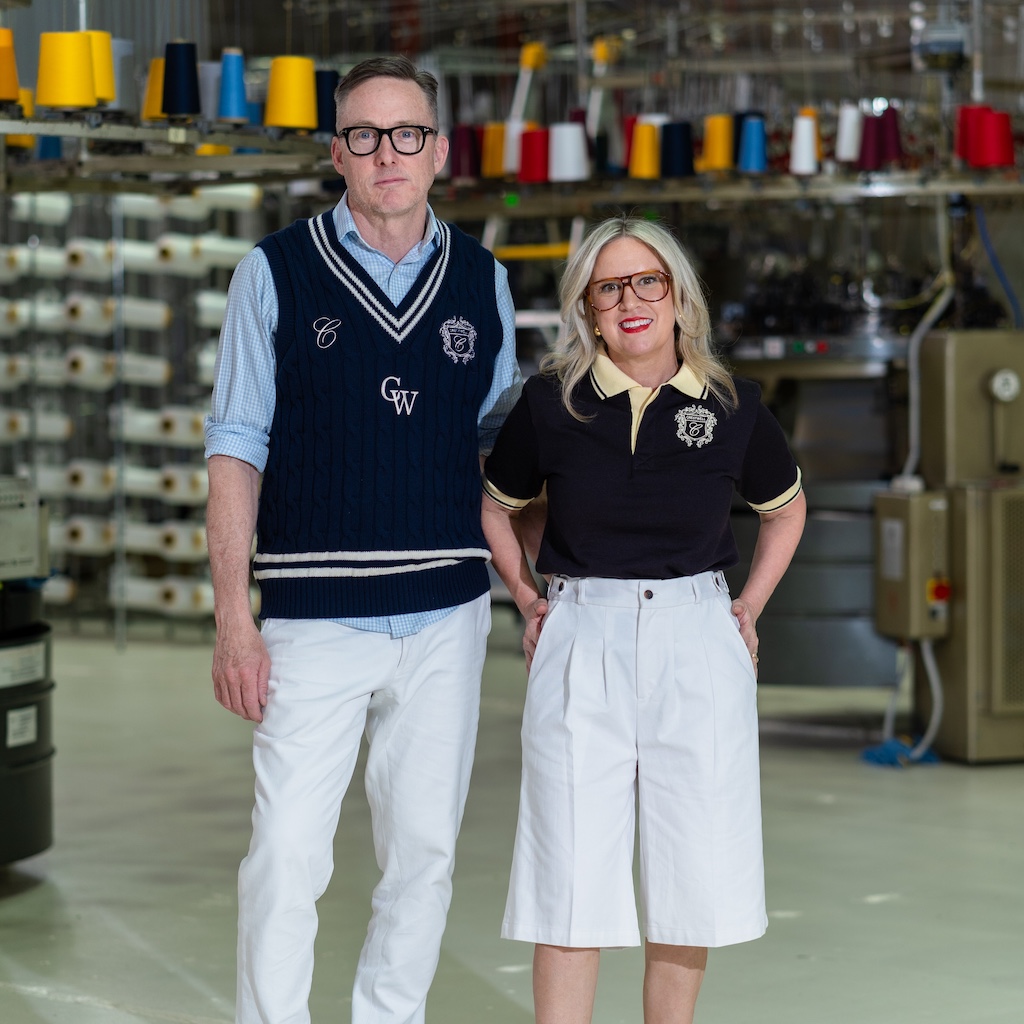
Melanie Flintoft and Dean Flintoft
Co-Owners, Silver Fleece, and and Co-Founders, Crestwell Australia
Made in Australia: The Reshoring Movement Gaining Momentum
Panellists
Made in Australia: The Reshoring Movement Gaining Momentum
11:30am – 12:30pm
Australia once had a vibrant textile, clothing and footwear manufacturing sector. Following the removal of tariffs and quotas from the 1980s onward, the industry contracted sharply, and today an estimated 97 percent of production occurs offshore.
Recent global supply chain disruptions have renewed interest in rebuilding local capability. A growing grassroots movement is working to preserve surviving heritage manufacturers and explore opportunities to return production to Australia. In March, the Australian Fashion Council released its National Manufacturing Strategy, outlining a pathway to revitalise and future proof the nation’s TCF manufacturing ecosystem.
This session features Adelaide entrepreneurs and co-owners, Melanie and Dean Flintoft, who in 2024 rescued the 74 year old knitting mill Silver Fleece from liquidation. Known for its legacy as a historic Australian knitwear and textile manufacturer, Silver Fleece proudly produces premium apparel and fabrics in South Australia – including for the Australian cricket team and schools nationwide.
The Flintofts will share how they are revitalising a heritage factory, the realities of manufacturing onshore, and the vision behind their new contemporary Australian apparel brand, Crestwell Australia.
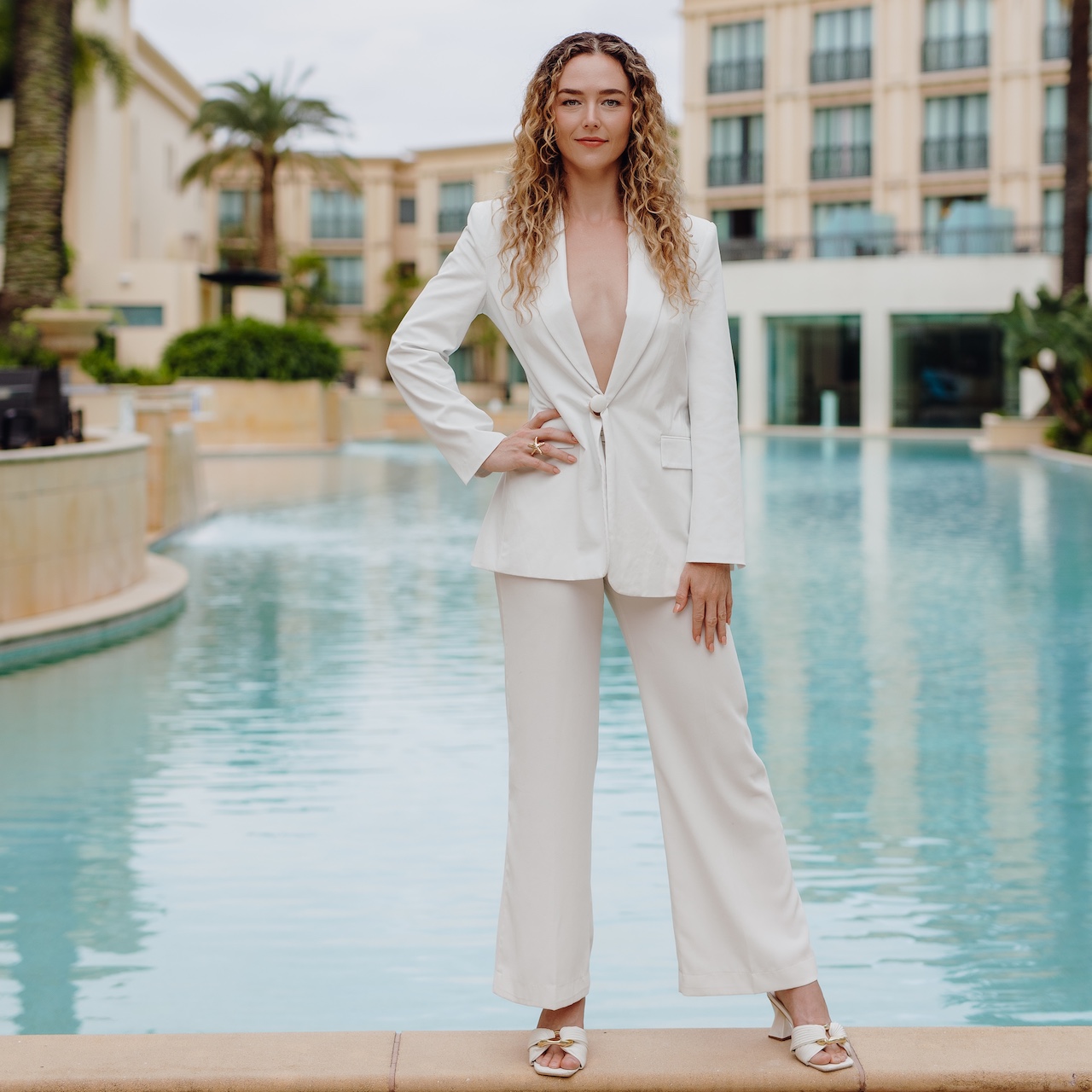
Taylor Victoria, CEO and Founder
Level Up Outsourcing
The Future of Work: Embracing AI, Remote Teams and Outsourcing
Session overview
The Future of Work: Embracing AI, Remote Teams and Outsourcing
1:30 – 2:30pm
Most business owners are either drowning in tasks they should never be doing or spending a fortune on local staff that bleeds their margins. This presentation shows a smarter path: combining remote teams with cutting-edge AI to build a lean, leveraged business that grows without the owner being the bottleneck.
Taylor isn’t presenting theory, she’s actively building systems, practical, no-fluff, and built for business owners who are ready to stop doing everything themselves.
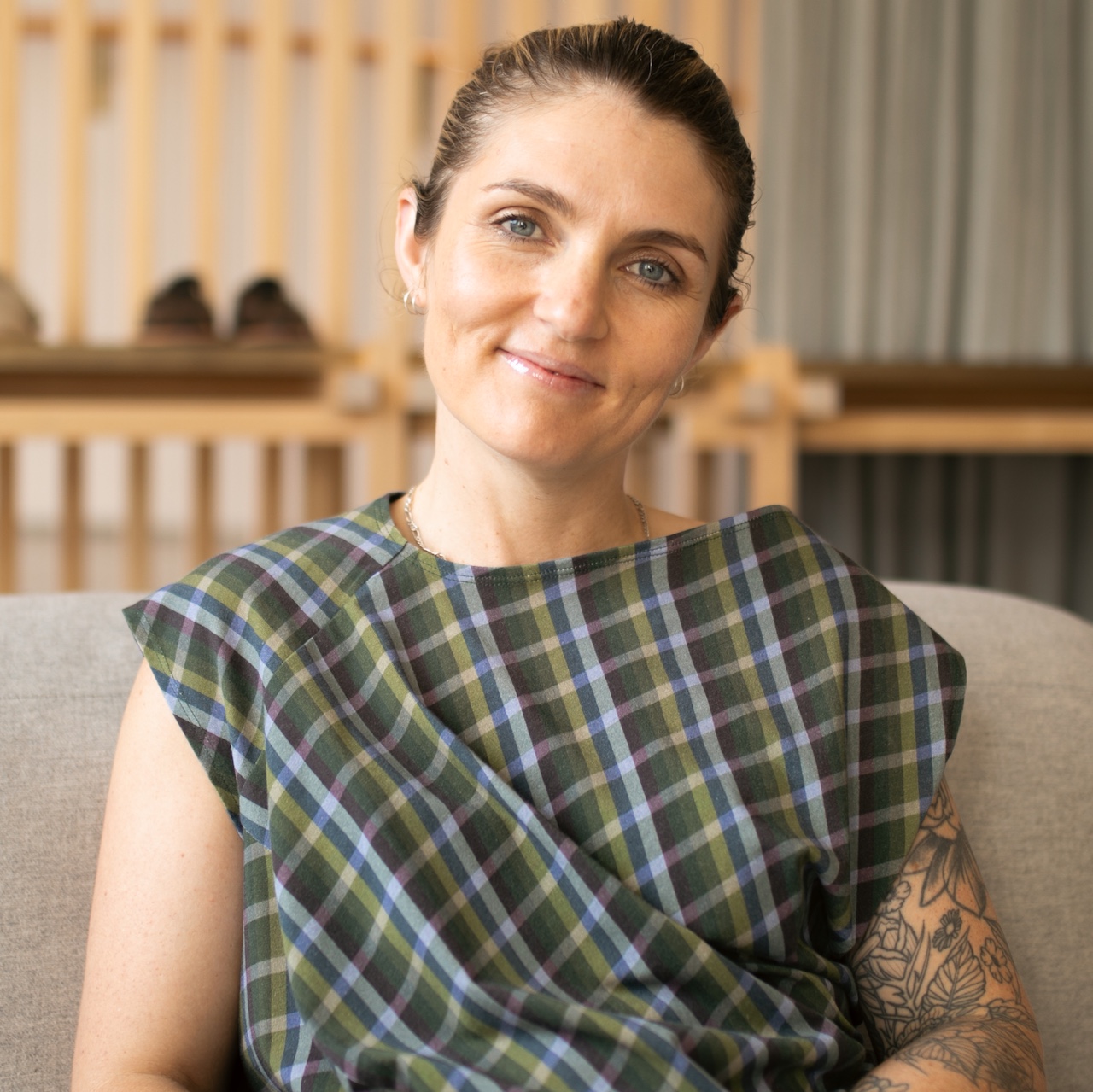
Tessa Bradley, Head of Product and Sustainability
Kowtow Clothing
Fashion that Feeds the Earth: The Next Frontier in Regenerative Design
Session Overview
Fashion that Feeds the Earth: The Next Frontier in Regenerative Design
3:00 – 4:00pm
What if clothing didn’t just avoid harming the planet — but actively healed it? After years of research through our Regenerate program, Kowtow has developed a world-first innovation: garments made from organic cotton that can be transformed into biochar, returning to the soil to restore carbon, improve biodiversity, and regenerate ecosystems.
In this session, we’ll take you behind the scenes of this breakthrough — from seed, to garment, to soil. You’ll learn how circular design, responsible farming, and science-driven innovation can work together to create fashion that enriches the earth rather than depleting it.
Join us to explore what truly regenerative fashion looks like, how biochar is reshaping circularity, and why the future of apparel lies in designing products that give back more than they take. Walk away understanding the science behind regenerative fashion.

Natasa Pitra-Grbic, Creative Director
PITRA
Production & Sourcing in the world of AI and how founders can navigate this area
Session Overview
Production & Sourcing in the world of AI and how founders can navigate this area
10:00 – 11:00am
Artificial intelligence is rapidly changing how founders approach production and sourcing, offering powerful ways to save time, reduce complexity, and make faster, more informed decisions. This session explores how AI can be used as a practical support tool across supplier research, material selection, production planning, and risk management—freeing founders to focus on strategy, creativity, and growth. Using real-world creative industry examples, the session demonstrates how AI can streamline workflows, improve visibility across supply chains, and support smarter sourcing decisions without replacing human judgement or craftsmanship.
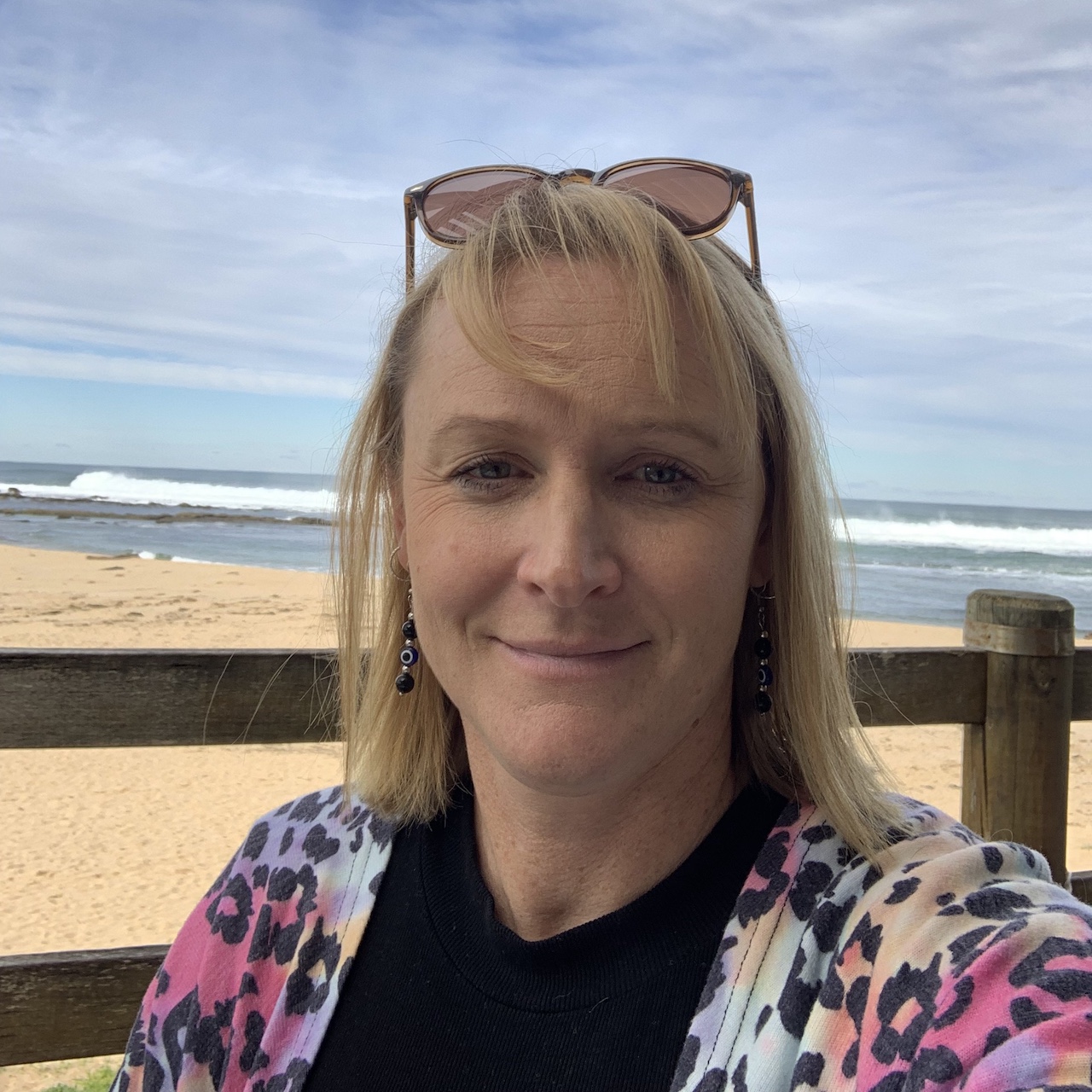
Stephanie Ford, Occupational Therapist
Action Forward
Beyond the Seams: Rethinking Inclusive Apparel for Real Bodies and Real Lives
Session Overview
Beyond the Seams: Rethinking Inclusive Apparel for Real Bodies and Real Lives
11:30am – 12:30pm
Clothing does more than cover us. It affects how comfortable we feel, how independently we can function, and whether we can participate fully in our lives. Yet some of the factors that determine wearability aren’t always visible in the design process.
This session explores what makes clothing genuinely inclusive, including factors that often go unnoticed but dramatically affect wearability:
- Sensory experience: How fabrics, seams, tags, textures and visual elements can either support comfort or create genuine distress and overwhelm.
- Physical demands of dressing: The real impact of fastenings, reach requirements, grip strength, fatigue and limited mobility on whether someone can dress themselves safely and independently.
- Functional realities: How clothing performs during everyday activities like sitting for extended periods, using mobility aids, managing pressure areas, or maintaining dignity whilst moving.
- Design details that matter: The small, intentional choices that dramatically improve comfort, safety and ease of use across a wide range of bodies and abilities.
Drawing on clinical expertise and lived experience, this session brings together consumers, designers and sourcing professionals to examine apparel from a practical perspective. You’ll gain concrete insight into what bodies and brains actually need from clothing, and discover how thoughtful, inclusive design choices can make everyday comfort, confidence and participation genuinely achievable.
Mobile shopping is surging, with smartphones expected to drive the majority of online purchases. Retailers are focusing on optimising mobile experiences, with digital wallets and contactless payments becoming the norm.
Social platforms are emerging as shopping hubs, with users making purchases directly from Instagram, TikTok, and Facebook. Influencers play a key role in driving sales, while peer reviews and social proof are more influential than ever.

Luke Mitchell, Co-founder and owner Yuki Threads
and Anthony Symonds, Co-founder, LÉ BENT
Fashion’s Coolest Opportunity: Riding the Winter Sports Boom
Session Overview
Fashion’s Coolest Opportunity: Riding the Winter Sports Boom
1:00 – 2:00pm
Global snow sports are exploding. China’s snow tourism market is on track to hit 1.5 trillion yuan by 2030, Japan’s ski fields are drawing record international crowds, and Australia is joining the action with Western Sydney’s $700 million Winter Sports World opening in 2028. Worldwide, more than 150 indoor snow centres are already operating across 35+ countries, with rapid expansion in China, Europe and the Middle East.
This surge is fuelling massive demand for high-performance winter apparel—on and off the mountain. With the snow wear market forecast to more than double to US$54.2 billion within seven years, brands blending technical innovation with lifestyle appeal are leading the charge.
To unpack this fast-moving opportunity, the panel brings together two standout Australian founders: Luke Mitchell, co-founder of Yuki Threads, known for fusing mountain functionality with streetwear culture; and Anthony Symonds, co-founder of LÉ BENT, the performance brand born from a single hero product—a Merino bamboo ski sock engineered in the heart of Val d’Isère.
Together, they’ll explore where the winter sports market is heading, what consumers want now, and how Australian brands can carve out global relevance in the hottest cold weather category.